Acqua alta in Venice:

practical tips for visitors

Acqua alta venice

If acqua alta (“high tide” or flooding) is expected during your stay in Venice, don’t worry! This is simply a fact of life in the lagoon, and Venetians are very used to it. Rather than a natural disaster, acqua alta is a regular and well-managed phenomenon that usually affects only specific areas of the city and for a limited amount of time.

High tides occur mainly especially between October and March, when astronomical tides combine with weather conditions such as strong winds and low atmospheric pressure. While the image of Venice under water may sound alarming, the reality is far less dramatic than many visitors imagine.

To stay informed, you can monitor tide levels on the official website of the Municipality of Venice, which provides accurate and regularly updated forecasts. A very practical alternative is to download the free app High Tide Venice – Hi!Tide (dowload on Google Play. Both tools allow you to check predicted tide levels and timing, helping you plan your day with confidence.

It is important to understand that tide forecasts refer to the water level measured above mean sea level, not to the actual depth of water you might encounter while walking around. For example, an expected high tide of 120 cm (about 4 feet) does not mean you will be walking in 120 cm of water. In fact, most of Venice will remain completely dry, as in many areas the pavements have been raised well above this level.

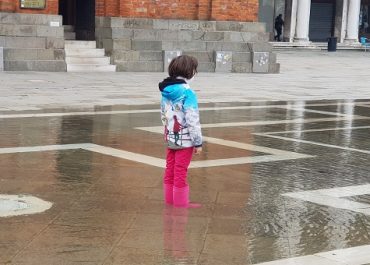
The most vulnerable area is St Mark’s Square, which is the lowest point in the city and therefore the first to flood. This is why you often see photos of the square covered in water, even when the rest of Venice is perfectly walkable. To ensure safe passage, the city installs elevated walkways, known as passerelle, which allow both residents and visitors to move around comfortably without getting wet.

For higher tides, a bit of practical footwear goes a long way. Many locals wear rubber boots, and you will also find shops selling them all over the city during the acqua alta season.

MOSE to save venice

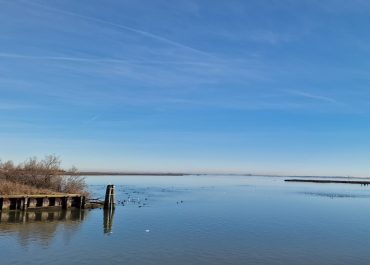
Finally, it’s worth mentioning the MOSE system, the system of mobile barriers designed to protect Venice from exceptional high tides. When particularly high water levels are forecast, the barriers are raised to temporarily separate the lagoon from the sea, significantly reducing flooding in the city and making extreme acqua alta events much rarer than in the past.